
Recreational Growing Laws: What You Need to Know About Home Cultivation
In California, adults 21+ can legally grow up to six cannabis plants per residence for personal use, but local rules may apply. Growing outside these limits can lead to fines or criminal charges. Always check your city and county ordinances first.
California Recreational Growing Laws: Plant Limits, Licensing & Local Rules
California allows adults 21 and older to grow cannabis at home for personal use under Proposition 64, the Adult Use of Marijuana Act. You can cultivate up to six plants per residence, regardless of how many adults live there, and you must keep the plants on private property and out of public view.
| Rule | What It Means | Key Detail |
|---|---|---|
| Age | Must be 21 or older | Valid government ID required |
| Plant limit | Up to 6 plants per residence | Applies to all adults in the home |
| Location | Private property only | Not in public spaces or vehicles |
| Security | Must be secured from unauthorized access | Fences or locked areas recommended |
| Local rules | City/county can impose stricter limits | Some areas ban outdoor growing entirely |
| Licensing | Personal grows don't need a state license | Commercial cultivation requires a DCC license |
Even though state law permits home growing, local ordinances in places like Ukiah, Redwood Valley, or Willits may add restrictions. Always check with your city or county planning department before planting.
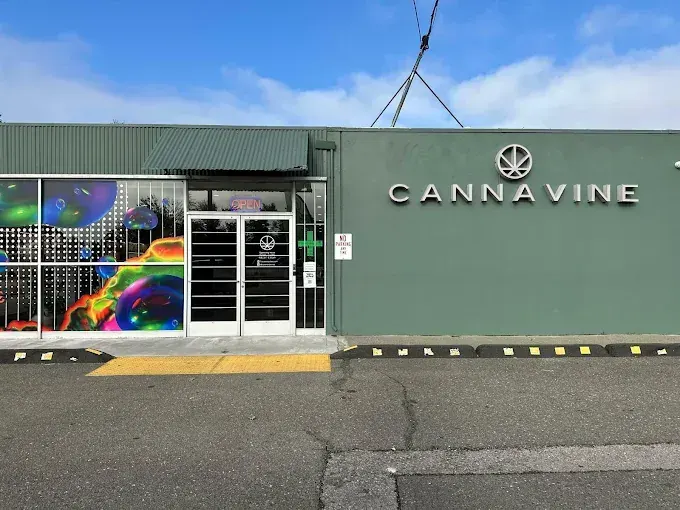
If you prefer not to grow, you can buy from a licensed dispensary like Cannavine Cannabis Dispensary in Ukiah, where all products are tested and compliant with state regulations.
Penalties for Violating Recreational Growing Laws: Fines, Charges & Asset Forfeiture
Growing cannabis outside the legal limits can lead to serious consequences. In California, penalties vary based on the number of plants and whether there's intent to sell.
| Situation | Possible Charge | Typical Penalty |
|---|---|---|
| Up to 6 plants (personal use) | Legal if compliant | No penalty |
| More than 6 plants (no intent to sell) | Infraction or misdemeanor | Fine up to $500, possible community service |
| Large-scale cultivation (intent to sell) | Felony | Jail time, fines, asset forfeiture |
| Growing on public land | Felony | Jail time, fines, environmental damage penalties |
| Illegal concentrates or extracts | Misdemeanor or felony | Higher fines, possible prison |
Asset forfeiture means law enforcement can seize property used in illegal growing, including homes, vehicles, and equipment. The exact penalties depend on the circumstances and prior record.
To stay safe, always follow state and local laws. If you're unsure about your situation, consult a qualified attorney.
Recreational Growing Laws by State: Where Home Cultivation Is Legal
Recreational growing laws vary widely across the U.S. As of 2026, 24 states and Washington, D.C., have legalized recreational cannabis, but not all allow home growing.
| State Type | Home Growing Allowed? | Example States |
|---|---|---|
| Fully legal (recreational) | Usually yes, with limits | California, Colorado, Oregon, Michigan |
| Legal but no home grow | No | New Jersey, New York (medical only for grow) |
| Medical only | Varies by state | Florida, Texas, Ohio |
| Illegal | No | Idaho, Kansas, Nebraska |
Each state has its own laws and limitations on cultivation. For example, Ohio allows home growing for medical patients only, while recreational sales are legal without home grow.
If you're in California, you can grow up to six plants at home, but always verify local rules. For a reliable source of legal cannabis without the hassle, visit our Ukiah dispensary.
How Many Plants Can You Grow? State-by-State Plant Limits for Recreational Growers
Plant limits for recreational home growing vary by state. Here's a quick look at common limits.
| State | Plant Limit per Residence | Notes |
|---|---|---|
| California | 6 plants | Regardless of number of adults |
| Colorado | 6 plants (max 3 mature) | Per person, 12 per household |
| Oregon | 4 plants | Per household |
| Michigan | 12 plants | Per household |
| Alaska | 6 plants (3 mature) | Per person |
| Washington, D.C. | 6 plants (3 mature) | Per person |
Remember, these are state limits; local laws can reduce them. In California, the six-plant limit is per residence, not per person, so a home with two adults still only gets six plants total.
Before you start, check your local ordinances. If growing isn't for you, you can always buy from a licensed dispensary like Liberty Cannabis Dispensary in Ukiah.
2016 California Proposition 64
In 2016, California voters passed Proposition 64, also known as the Adult Use of Marijuana Act (AUMA), to legalize recreational cannabis for adults 21 and older. The initiative, which received about 57% approval, took effect on November 9, 2016, and paved the way for licensed recreational sales to begin in January 2018. Under this law, adults can possess up to 28.5 grams of cannabis and grow up to six plants at home, subject to local restrictions. This law also established a regulatory framework for cultivation, manufacturing, and retail sales, overseen by the California Department of Cannabis Control (DCC). For you, this means you can legally enjoy cannabis in California, but you must follow both state and local rules to stay compliant.
Directions to our cannabis dispensary in Ukiah from Dharma Realm Buddhist University
Start at Dharma Realm Buddhist University and head to Cannavine Cannabis Dispensary (Ukiah) at 1230 Airport Park Blvd, Ukiah, CA 95482.
How to Legally Grow Cannabis at Home: A Step-by-Step Guide for Recreational Growers
Growing your own cannabis can be rewarding, but you must follow the law. Here's how to do it right in California.
- Check local rules – Contact your city or county to see if outdoor growing is allowed or if you need a permit.
- Choose a secure location – Use a locked greenhouse, fenced backyard, or indoor tent to keep plants out of public view and away from minors.
- Limit your plants – Keep no more than six plants per residence, and label them clearly if needed.
- Use quality soil and lighting – Invest in good soil, nutrients, and lighting for healthy growth.
- Monitor water and pests – Regularly check for pests and adjust watering to avoid mold or deficiency.
- Harvest and cure properly – Dry and cure buds in a dark, cool space to preserve potency and flavor.
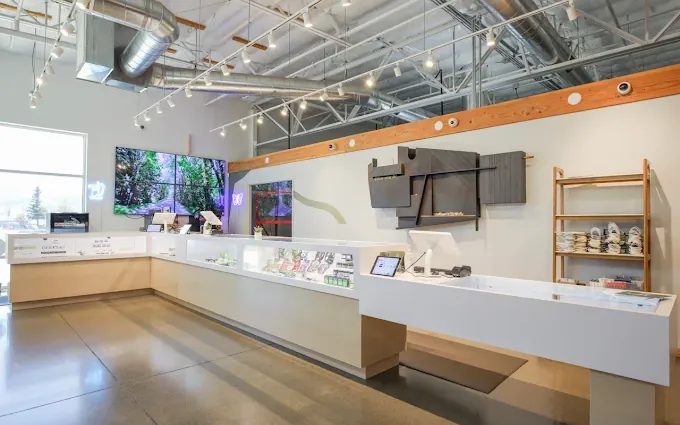
If you're new to growing, start small and learn as you go. For those who'd rather skip the effort, our team at Cannavine Cannabis Dispensary (Ukiah) offers a wide selection of flower, pre-rolls, and more.
Find Licensed Dispensaries Near You: Buy Recreational Cannabis Without Growing
If home growing isn't for you, buying from a licensed dispensary is the safest and easiest way to get cannabis. Here's how to find one near you.
- Search for licensed dispensaries – Use the California DCC website to verify a dispensary's license.
- Check the menu online – Many dispensaries, including ours, let you browse products and order ahead for pickup.
- Visit during business hours – We're open daily from 9 AM to 8:30 PM, with last pickup at 8:15 PM.
- Bring your ID – You'll need a government photo ID (21+) or a medical recommendation (18+).
- Pay with debit or cash – We accept both at the counter.
Located at 1230 Airport Park Blvd in Ukiah, we're just off the US-101 exit with free parking. Whether you're near downtown Ukiah or coming from Lake Mendocino, stop by or order ahead for quick pickup.
Sources
Also asked as
- Is it legal to grow weed at home in California?
- How many plants can I grow for personal use?
- What happens if I grow more than the legal limit?
Frequently asked questions
How many states are recreational legal?
As of 2026, 24 states and Washington, D.C., have legalized recreational cannabis. However, not all of them allow home growing, so check your state's specific laws.
What state is the most 420 friendly?
California is often considered one of the most cannabis-friendly states, with legal recreational use, home growing, and a wide network of licensed dispensaries. Other states like Colorado and Oregon are also very permissive.